
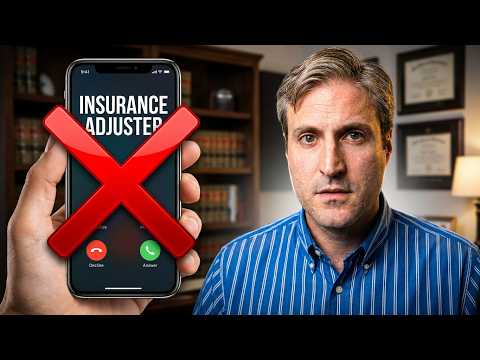
If you’ve been hurt in a wreck or a fall, it’s completely normal to feel overwhelmed—especially when an insurance adjuster calls and asks to “get your statement on a recorded line.” You might be thinking, “I’ve done nothing wrong, so why not just tell them what happened?”
At DRS Law, we’ve seen how these statements are used, and the truth is simple: a recorded statement usually helps the insurance company, not you. You have options, and you should never feel pressured to make a big decision on the first phone call.
What Is a Recorded Statement?
A recorded statement is a formal interview where an insurance adjuster asks detailed questions about the accident, your injuries, and your background. They record the call and typically follow a script they use every single day.
It may feel like routine paperwork, but every word you say can be transcribed, analyzed, and compared to medical records, police reports, or anything else in your file. Small details can easily be taken out of context.
Do You Have to Give a Recorded Statement?
In most situations, you are not
legally required to give a recorded statement to the other driver’s insurance company or the insurance company representing a business. You don’t have a contract with them, and they cannot demand a statement from you.
Your own insurance company is different. Your policy may require cooperation—which might include giving a statement—but even then, you have every right to slow things down, understand what’s being asked, and get legal advice before you proceed.
Why Insurance Companies Want Your Statement
Insurance companies don’t ask for a recorded statement out of courtesy. They’re gathering information that can be used to limit what they pay you. Some of the most common reasons include:
- Locking in your version of events before you know the full extent of your injuries.
- Looking for small inconsistencies to later challenge your credibility.
- Trying to get you to say something that sounds like an admission of fault.
- Minimizing your injuries or arguing they were pre-existing.
They want the recording—not because they need it to investigate, but because it benefits them later.
How a Recorded Statement Can Hurt You (Even If You’re Telling the Truth)
Most people assume honesty protects them. Unfortunately, that’s not always the case. Here’s how even truthful, well-meaning people end up hurting their claims:
You may not yet understand your injuries
Pain often worsens over the first few days. If you tell the adjuster “I’m okay” or “It’s just soreness,” they may use that later to argue you weren’t really hurt.
Normal memory gaps get weaponized
After a crash or fall, it’s common not to remember every detail. If you say “I think…” or accidentally guess, the insurance company may claim your story “changed.”
You may get tricked into admitting partial fault
Leading questions like “You didn’t see the other car until the last second, right?” are designed to make you agree with something that can later be twisted into an admission.
Personal questions get used against you
Adjusters may ask about old injuries, hobbies, or job duties to try to blame your pain on something unrelated to the accident.
None of this means you’re lying—it just means you’re human, shaken up, and not prepared for an interview designed to benefit the insurer.
What You CAN Safely Tell an Adjuster
You don’t have to be rude or hang up. There are a few basic details you can usually provide safely:
- Your name and contact information
- The date and general location of the accident
- The type of incident (car crash, slip and fall, etc.)
- The vehicles or parties involved
If the adjuster pushes for details or wants to record the call, you’re allowed to set boundaries—politely but firmly.
Simple Ways to Decline a Recorded Statement
If you’re not ready (and most people aren’t), try phrases like:
“I’m not comfortable giving a recorded statement right now.”
“I’m still getting medical treatment and don’t know the full extent of my injuries.”
“I’ve been advised not to give a recorded statement without legal guidance.”
“You’re welcome to send your questions in writing.”
You’re allowed to take your time before speaking.
If You Already Gave a Recorded Statement
You’re not alone—and it doesn’t automatically ruin your claim. It simply means:
- The insurance company now has a transcript they might try to use against you.
- You need to be consistent with what you previously described.
It’s often a good idea at this point to talk with an attorney before signing anything or accepting any settlement.
When to Call DRS Law
You don’t need to be ready to file a lawsuit to get answers. DRS Law offers free consultations for injury victims across Tennessee, Kentucky, and Georgia. Our experienced personal injury attorneys can help you understand:
- Whether you’re required to give a statement
- What you should—and shouldn’t—say to an adjuster
- Whether a settlement offer is fair
Before you speak on a recorded line, get guidance from a team that protects accident victims—not insurance companies. We’re here to help you understand your rights and make informed decisions about your next steps.