
Nashville Pedestrian Accidents: Why Oversized Trucks Are Making Crashes Worse
David Anthony Smith
Jun 25 2026 21:16
If you walk or cycle around Nashville, you’ve likely noticed a troubling trend: the vehicles around you are getting bigger—much bigger. Recent investigations confirm what the personal injury attorneys at DRS Law see firsthand every day. The dramatic rise in oversized trucks and SUVs is directly reshaping the landscape of pedestrian and cyclist injury claims across Tennessee.
A groundbreaking report from The New York Times, The Deadly Rise of Giant Trucks and S.U.V.s, highlights a shocking statistic: pedestrian fatalities in the U.S. have surged 75% since 2009. Using federal crash data and biomechanical research, the investigation explains why modern vehicle design is causing more severe—and often deadly—collisions with people on foot or on bikes.
At DRS Law, our Nashville pedestrian accident lawyers
help injured Tennesseans navigate these increasingly complex claims. Below is how the engineering behind today’s supersized trucks affects liability, exposes weak insurance defenses, and shapes the outcomes of pedestrian accident cases in Tennessee.
Defense #1: “I Didn’t See Them.”
This is one of the most common statements we see after a pedestrian crash involving a truck or SUV. Unfortunately, with modern truck design, it’s often true—drivers genuinely may not see a person standing directly in front of their vehicle.
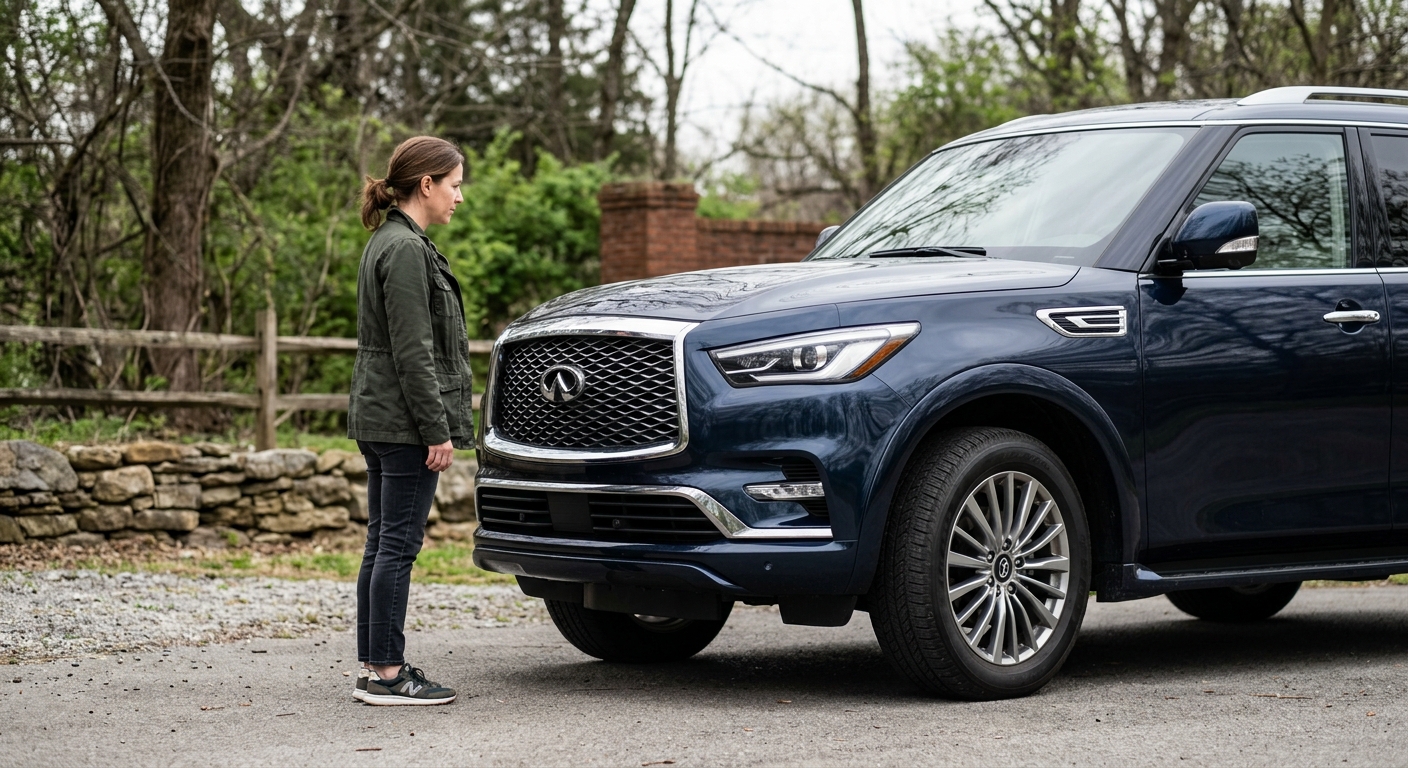
Modern trucks are engineered with towering, block-shaped front ends. Many hoods sit at the chest height of an adult, creating a forward “blind zone” extending 15 to 20 feet. In some cases, entire families can stand in front of a heavy-duty truck without appearing in the driver’s line of sight.
But under Tennessee law, this does not
excuse a driver from liability. Every driver has a legal duty to maintain a proper lookout. When someone chooses to operate a 6,000‑pound truck with major visibility limitations, they are still responsible for ensuring the safety of pedestrians and cyclists.
Ultimately, “I didn’t see them” is not a legal defense—it is an admission that the driver failed to use reasonable care for the vehicle they chose to drive.
Defense #2: “It Was Just a Bump.”
Insurance companies often try to minimize the severity of pedestrian collisions—especially when the vehicle was moving slowly. Adjusters may argue that being struck at 10 or 15 miles per hour couldn’t have caused catastrophic injuries.
But this outdated assumption is based on older, smaller sedans—not today’s oversized trucks and SUVs. Modern vehicle height and grille design completely change the physics of a crash.
The Biomechanics of Pedestrian Crashes
The Sedan Strike:
Older sedans typically strike a pedestrian’s lower legs, causing the person to roll onto the hood—where the vehicle absorbs some of the impact.
The Giant Truck Strike: Large trucks hit victims squarely in the torso or chest—their center of gravity. With a flat, rigid grille acting like a wall:
- The victim is knocked forward instead of rolling onto the hood
- The first surface they strike is the pavement, not the vehicle
- Victims are often pulled under the wheels before the driver reacts
These impact patterns lead to crushing, catastrophic injuries—including traumatic brain injuries, spinal cord damage, internal injuries, fractures, and fatalities. Our team regularly represents victims suffering from serious conditions such as traumatic brain injuries
and spinal cord injuries
after pedestrian and cyclist crashes involving large trucks.
At DRS Law, we use crash reconstruction experts and biomechanical engineers to explain precisely how and why these injuries occur—especially when insurance companies attempt to minimize the crash’s severity.
How DRS Law Fights for Pedestrians and Cyclists
Our attorneys don’t simply rely on the police report or the driver’s explanation. We understand the engineering, physics, and visibility issues behind modern vehicle design, and we use that knowledge to build strong, evidence-based claims for pedestrians and cyclists.
When representing an injured pedestrian or cyclist, DRS Law:
- Analyzes the striking vehicle’s blind‑spot dimensions and front‑end geometry
- Works with accident reconstructionists to map the collision accurately
- Uses biomechanical data to explain injury mechanisms
- Challenges insurance company attempts to blame the victim
- Pursues full compensation for medical care, lost wages, permanent disability, and pain and suffering
We also assist cyclists through our dedicated bicycle accident lawyer
team, and handle related vehicle claims through our Nashville car accident lawyers
and truck accident lawyer
practice areas.
FAQ: Pedestrian Accidents Involving Oversized Trucks
Are oversized trucks causing more pedestrian accidents in Nashville?
Yes. Nashville’s rapid growth means more large trucks and SUVs on the road, and national data confirms these vehicles are disproportionately involved in fatal pedestrian crashes.
Can I sue if a truck driver “didn’t see me”?
Absolutely. Tennessee law requires all drivers to maintain a proper lookout, even when driving vehicles with substantial blind zones.
Why are slow-speed pedestrian crashes still so dangerous?
Because modern trucks strike victims higher on the body and push them forward onto the pavement rather than the hood, even low-speed crashes can cause catastrophic injuries.
What injuries are most common in pedestrian-truck collisions?
Traumatic brain injuries, spinal cord injuries, fractures, internal injuries, and permanent disability are all common due to the height and weight of these vehicles.
Injured by a Large Truck or SUV in Nashville?
If you or someone you love has been struck by a truck or SUV in Nashville or anywhere in Tennessee, you deserve a law firm that understands the engineering and physics behind these dangerous crashes. Our Nashville pedestrian accident lawyers
are ready to help.
Don’t let the insurance company minimize your injuries or blame you for the crash.
Contact DRS Law today through our free consultation portal. Let our family fight for yours.