
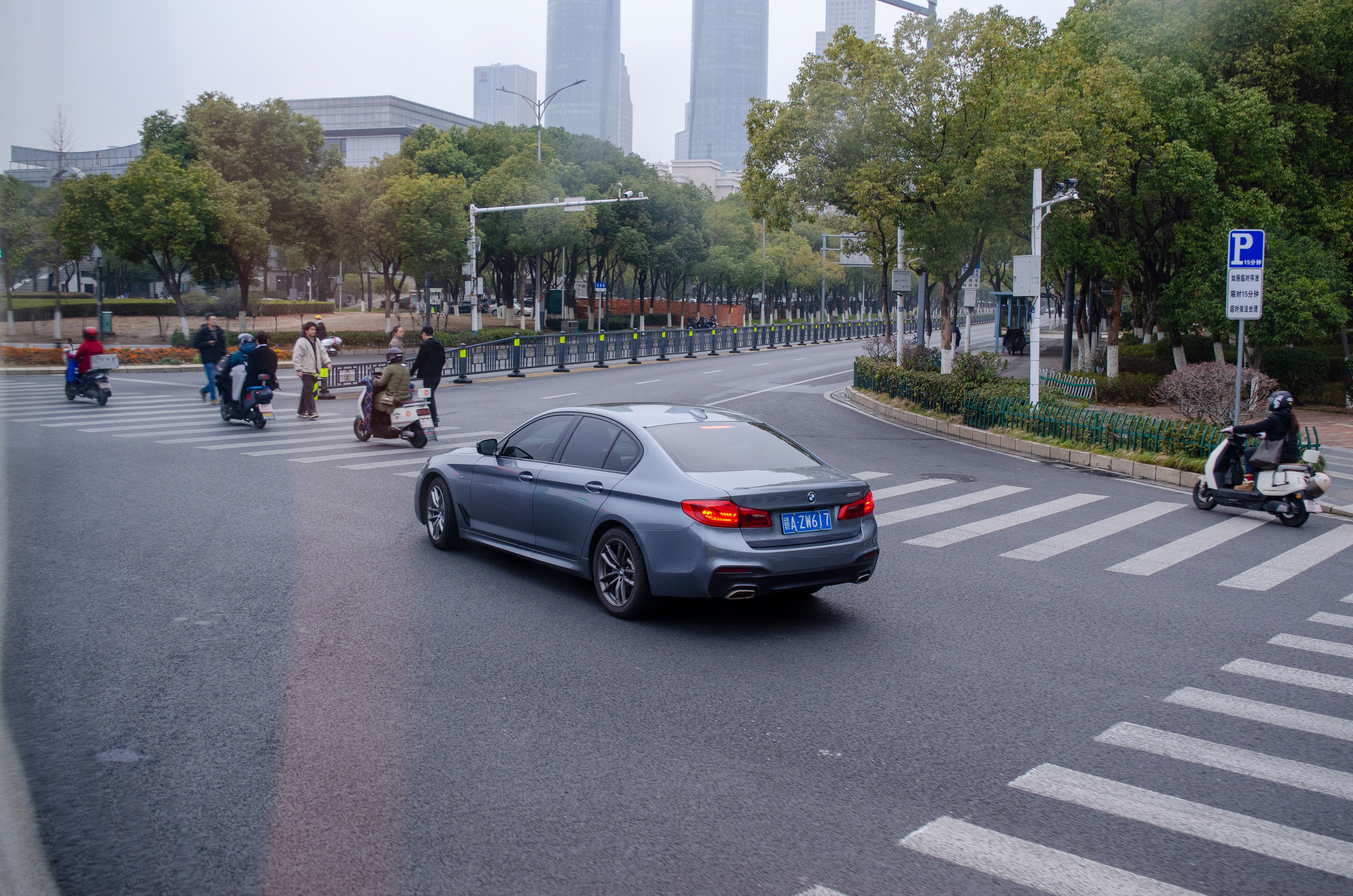
Nashville Right-Turn-on-Red Proposal: What to Know
Christopher Smith
Aug 06 2026 15:05
For many Nashville drivers, turning right on red is a familiar part of navigating traffic. After stopping, drivers are generally permitted to turn when the way is clear—unless a sign prohibits the movement. But that long-standing practice could change in much of Nashville under a recently filed Metro Council proposal.
The proposed measure would ban right turns on red within the Urban Services District, which includes much of Nashville’s urban core and surrounding neighborhoods. Supporters say the goal is straightforward: reduce the risk to pedestrians and cyclists at busy intersections, where a driver may be watching for approaching vehicles while someone is crossing directly in front of them.
For drivers and people injured in intersection collisions, the proposal is a reminder of an important reality: right turns can create serious risks, especially in areas with heavy foot traffic, bike lanes, rideshare activity, and crowded downtown streets.
What Nashville’s Right-Turn-on-Red Proposal Would Change
Under Nashville’s current traffic rules, a driver facing a steady red light may turn right after making a full stop and yielding to pedestrians and cross traffic lawfully using the intersection—unless a No Turn on Red
sign is posted. Nashville’s municipal code makes clear that a right turn on red is not automatic; it is only allowed when the driver can complete the turn safely and without interfering with others.
The pending proposal would create a broader restriction by requiring drivers in the covered area to wait for a green signal before turning right. According to reporting on the proposal, Metro Councilmember Sandra Sepulveda filed the legislation as part of a wider safety conversation about crashes involving people walking and biking in Nashville.
Importantly, this is still a proposal. It must move through the Metro Council process before it could become effective. Drivers should not assume that a new citywide or downtown ban is already in place simply because the proposal has received public attention. Until the law changes, drivers should follow posted signs and current traffic laws at each intersection.
Why Right Turns on Red Can Be Dangerous
A right turn on red can appear simple, but it demands attention in several directions at once. Drivers must stop, look for traffic approaching from the left, check the crosswalk in front of the vehicle, account for cyclists traveling through an intersection, and make sure the turn can be completed safely.
That divided attention is especially dangerous in downtown Nashville. A driver may focus on finding an opening in vehicle traffic and fail to see a pedestrian who has entered the crosswalk. A cyclist may be traveling in a bike lane or alongside traffic. A person using a wheelchair, pushing a stroller, or walking with a child may need additional time to cross.
Intersection accidents can happen in seconds, but the consequences can last far longer. Pedestrians and cyclists have little protection in a collision with a vehicle. Even a low-speed impact can cause fractures, traumatic brain injuries, spinal injuries, internal injuries, or other serious harm.
What Drivers Should Do at Nashville Intersections
Regardless of whether the proposed ban passes, safe driving practices at a red light remain essential. A complete stop means stopping before the crosswalk or stop line—not rolling forward while looking left for traffic.
- Come to a complete stop before turning right on red.
- Check the crosswalk carefully for pedestrians before looking for a gap in vehicle traffic.
- Look for cyclists approaching in a bike lane or traveling alongside traffic.
- Do not turn if another person has the right-of-way or if your view is blocked.
- Follow every posted No Turn on Red sign, even when the intersection appears empty.
- Stay alert for tourists, children, delivery workers, and other people who may be less familiar with the intersection.
Drivers should also remember that a green light does not eliminate the obligation to watch for others. A driver turning right on green must still yield when required and use reasonable care to avoid a collision.
Safety Tips for Pedestrians and Cyclists
People walking and biking also face heightened risks at intersections. Even when a pedestrian has a walk signal or a cyclist has the right-of-way, it is wise to remain alert to vehicles preparing to turn.
Pedestrians should make eye contact with drivers when possible, avoid stepping into the path of a turning vehicle without checking for movement, and stay visible at night or during poor weather. Cyclists should use lights and reflective equipment when appropriate, follow applicable traffic signals, and be especially cautious around vehicles that may cross a bike lane to make a right turn.
These safety steps are practical, but they do not excuse negligent driving. A driver has a duty to watch the roadway, yield when required, and avoid making a turn that endangers a pedestrian, cyclist, or another motorist.
How Fault Is Evaluated After an Intersection Accident
When a crash occurs during a right turn, the details matter. A police report may identify the traffic signal, roadway conditions, witness accounts, and statements from the people involved. But a thorough investigation often goes further.
In a Nashville intersection accident, evidence may include nearby camera footage, dash-cam video, photos of the scene, traffic-signal timing, vehicle damage, road design, cell phone records, and witness testimony. These details can help establish whether the driver stopped, whether a pedestrian was in the crosswalk, whether a cyclist was visible, and whether someone failed to yield the right-of-way.
Tennessee injury claims may also involve disputes about comparative fault. Insurance companies may attempt to shift blame onto an injured pedestrian, cyclist, or driver to reduce what they pay. That is why it is important to preserve evidence quickly and avoid accepting an insurer’s version of events without a careful review of the facts.
How DRS Law Helps After a Nashville Intersection Crash
At DRS Law, we represent people harmed in serious Nashville car accidents, pedestrian accidents, bicycle collisions, and other preventable injuries. We understand that an intersection crash is rarely as simple as one driver’s statement against another.
Our legal team investigates the circumstances surrounding the collision, works to preserve evidence, evaluates the full impact of the injuries, and pushes back when insurance companies minimize a claim. Whether a crash involved a right turn on red, a blocked crosswalk, distracted driving, or another unsafe decision, DRS Law focuses on building a clear and complete account of what happened.
If you or someone you love was injured in an intersection accident in Nashville, contact DRS Law for a free consultation at (615) 742-1775. Our firm serves injury victims across Tennessee, Kentucky, and Georgia.
This post is for informational purposes only and does not constitute legal advice. Every case is different, and past results do not guarantee similar outcomes.